Cottage Cheese Recipes for Breakfast, Lunch, and Dinner
A few good cottage cheese recipes can turn a familiar dairy tub into breakfast bowls, a quicker pancake batter, savory toast, and a higher-protein swap in dinners you already cook. The ingredient is popular for a simple reason: it is mild, inexpensive, and concentrated in protein. You do not need specialty equipment, and you can keep the flavor either sweet or savory.
Nutrition figures in this article come from USDA FoodData Central foundation data for low-fat, 2 percent milkfat cottage cheese (food code 328841). Recipe ideas are written as flexible methods, not as lab-tested meal plans. Finished-dish calorie counts are not listed here because they depend on your exact brands and portions.
What you are working with
Per 100 grams, 2 percent cottage cheese has 84 calories, 11.0 grams of protein, 2.3 grams of fat, 4.31 grams of carbohydrate, 4.1 grams of sugars, 103 milligrams of calcium, and 321 milligrams of sodium. The USDA entry lists a cup as 220 grams. At that portion, you are looking at about 185 calories and 24 grams of protein, along with about 227 milligrams of calcium and about 706 milligrams of sodium.
Those sodium numbers are worth taking seriously if you are watching salt. If you need less sodium, compare labels or look for a no-salt-added style. Protein and calcium are the main reasons many people keep cottage cheese in the refrigerator. Harvard Health also notes that cottage cheese can be among the cheeses that contain probiotics when it is not heated after it is made, though you should check the label for live cultures if that matters to you.
Texture is the usual sticking point. Small-curd cheese is easier to stir into bowls. If you dislike lumps, blend the cheese until it is smooth and use it as a spread, a dip, or a batter ingredient.
Easy cottage cheese recipes to try this week
1. Sweet breakfast bowl
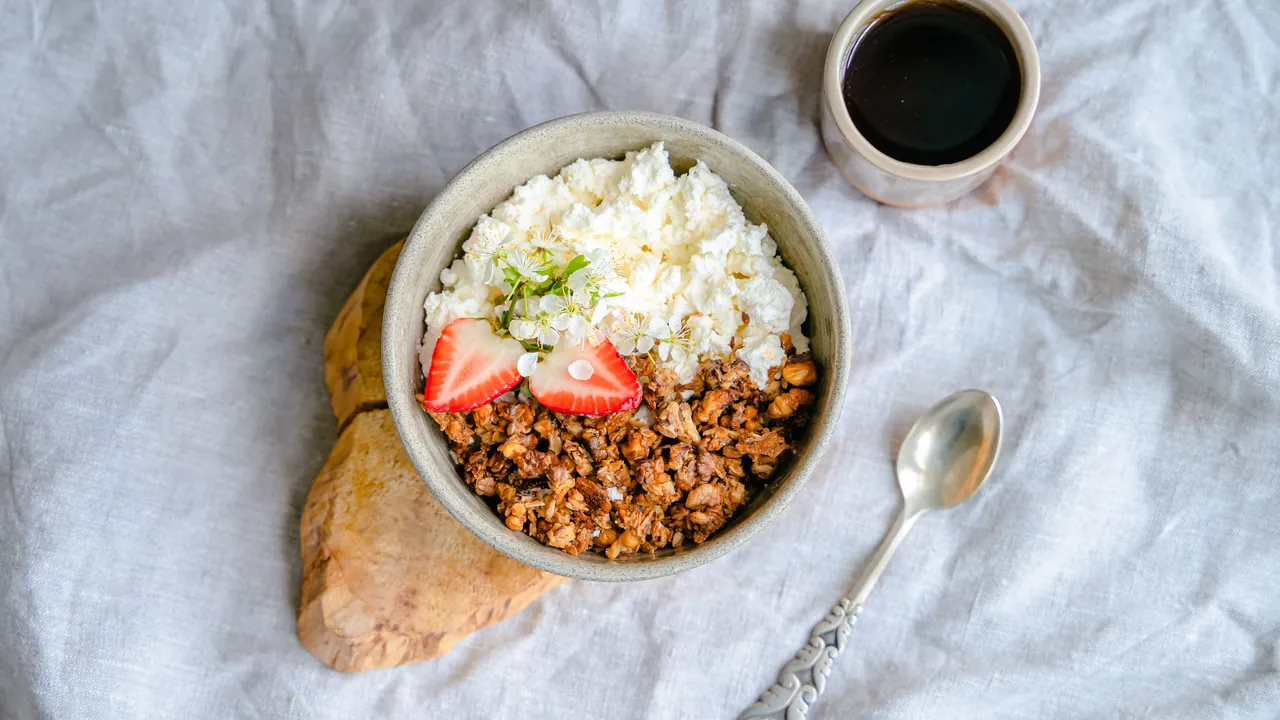
Spoon 1/2 cup to 1 cup of cottage cheese into a bowl. Add fresh or frozen berries, a sliced banana, or diced apple, plus a sprinkle of cinnamon. If you want more staying power, add a small handful of oats or chopped nuts. This is the fastest option, and it uses the cheese in a form close to the USDA portion data above. A 1/2-cup serving is about 110 grams, or roughly 92 calories and 12 grams of protein from the cheese itself, before toppings.
2. Savory cucumber and tomato bowl
Stir cottage cheese with chopped cucumber, halved cherry tomatoes, a little olive oil, black pepper, and herbs such as dill, chives, or basil. A pinch of lemon zest or a squeeze of lemon brightens the dairy. Serve it on its own, over leftover grains, or next to eggs. This is a useful lunch when you want something cold and high in protein without making a sandwich.
3. Whipped cottage cheese toast
Shop these picks

Paco Rabanne 1 Million Eau de Toilette 100ml

OmegaXL Joint Support Supplement, 60 Softgels

RediCalm Natural Stress Relief & Calming Supplement – Vegan, Gluten-Free Capsules for Everyday Relaxation
Nitric Oxide Flow Circulation Support Supplement
Blend cottage cheese with a spoonful of olive oil or a splash of milk until it looks like a thick spread. Season with salt only if the cheese is not already salty, plus pepper and garlic powder or everything-bagel seasoning. Spread it on whole-grain toast and top with sliced tomatoes, roasted vegetables, or smoked fish if you eat it. The same spread can fill a baked potato or sit under leftover chicken or beans.
4. Higher-protein pancakes
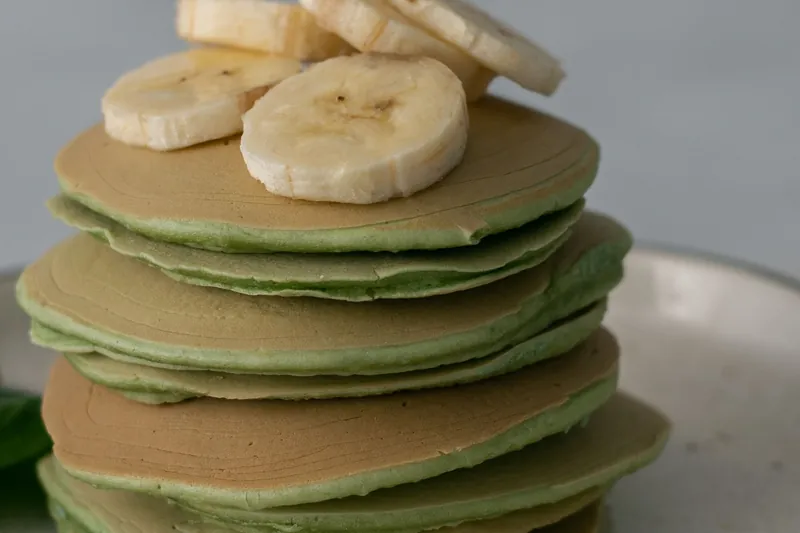
In a blender, combine 1 cup cottage cheese, 2 eggs, 1/2 cup rolled oats, 1/2 teaspoon baking powder, and a little vanilla or cinnamon. Blend until mostly smooth, then cook small pancakes in a lightly oiled skillet over medium heat, a few minutes per side, until the centers are set. The batter will be thicker than a boxed mix. Serve with fruit rather than a heavy pour of syrup if you want the plate to stay balanced. These are everyday pancakes, not a medical food, and the protein will vary with your ingredients.
5. Egg scramble or frittata spoonfuls
Cook eggs as you usually do, then fold in a few generous spoonfuls of cottage cheese at the end, off the highest heat, so they warm and soften but do not turn rubbery. For a frittata, blend the cheese with the eggs before baking so the texture stays even. Add spinach, peppers, or leftover roasted vegetables. This is an easy way to stretch eggs and add protein without changing the whole meal.
6. Baked pasta with a lighter dairy mix
In many baked ziti or lasagna-style dishes, part of the usual ricotta can be replaced with cottage cheese. Blend the cottage cheese first if you want a smoother filling, then mix it with an egg, herbs, and a modest amount of shredded cheese. Layer with tomato sauce and pasta and bake until bubbly. Because cottage cheese holds more moisture than some other cheeses, drain it briefly or blend it well if the filling looks loose.
7. Stuffed peppers or baked potatoes
Mix cottage cheese with cooked grains or leftover chopped vegetables, herbs, and a small amount of grated cheese. Spoon the mixture into halved bell peppers or split baked potatoes and heat until warm. The filling is flexible: beans, corn, and scallions work in a more Mexican-inspired direction; spinach and nutmeg lean more toward a Greek-style filling.
A few cooking notes that help
- Blend for creaminess. Twenty to 30 seconds in a blender or food processor turns curds into a spread that many people prefer in toast, dips, and batters.
- Season with acid and herbs. Lemon, vinegar, pepper, dill, and chives do more for flavor than adding more salt, especially given the sodium already in many brands.
- Add fiber on the side. Cottage cheese itself has little fiber in the USDA 2 percent foundation data. Fruit, vegetables, beans, and whole grains make the meal more complete.
- Watch the heat. Long, aggressive boiling can make the cheese tight and watery. Warm it gently, or use it in blended batters and baked dishes.
- Store it cold and use it promptly. Keep opened containers refrigerated and follow the date and storage guidance on the package.
How to fit these meals into a regular diet
Cottage cheese is a protein-rich dairy food, not a complete diet. It can help if you are trying to add protein at breakfast or build a quicker lunch, but the rest of the plate still matters: vegetables, fruit, whole grains, and some unsaturated fats. If you are lactose intolerant, you may tolerate cottage cheese better than a glass of milk, or you may not; that is individual, and a clinician or dietitian can help you test it carefully. People who need to limit sodium, saturated fat, or dairy should compare labels and get advice that fits their own medical plan.
Used this way, cottage cheese recipes are less a trend than a practical habit: keep a tub on hand, sweeten it with fruit or season it with vegetables, and use a blender when you want a smoother texture. That is enough to get several useful meals out of a single inexpensive ingredient.
Health note: This article is for general information only and is not medical advice. Talk to your doctor before changing your diet, exercise or supplement routine.
Frequently asked questions
Is cottage cheese high in protein?
Yes, relative to its calorie content. USDA FoodData Central's foundation data for low-fat (2 percent milkfat) cottage cheese lists 11 grams of protein and 84 calories per 100 grams. A 1-cup portion, which the same entry lists as 220 grams, provides about 24 grams of protein and 185 calories. Values vary by brand and by whether the cheese is 1 percent, 2 percent, or full fat.
Is cottage cheese healthy?
It can be a useful protein food. The same USDA entry lists 103 milligrams of calcium per 100 grams, along with 321 milligrams of sodium, so sodium is worth watching if you are on a lower-salt eating plan. Harvard Health also notes that cottage cheese may contain live cultures when it is not heated after it is made. 'Healthy' still depends on the rest of the meal and on your own dietary needs.
Can you cook with cottage cheese?
Yes. It can be eaten cold, whipped into a spread, blended into pancake or waffle batter, spooned onto toast, or used in baked pasta, egg dishes, and stuffed vegetables. High heat can make the curds tighten or weep liquid, so for a creamy texture it often works well to blend it first or to add it toward the end of cooking.
What can I mix with cottage cheese?
For a sweet bowl, try fruit, cinnamon, and a small handful of nuts or oats. For a savory bowl, try tomato, cucumber, herbs, black pepper, and a drizzle of olive oil. It also pairs with eggs, roasted vegetables, and whole grains. If you want a smoother texture, blend it for 20 to 30 seconds before using it as a spread or a dip.
Does cottage cheese have probiotics?
It can. Harvard Health lists cottage cheese among cheeses that may contain probiotics if they are not heated after they are made. Not every container will have live cultures, so check the label if that is important to you. Heating the cheese in a casserole may reduce live cultures.