Jobs That Pay Well Without a Degree: Careers Worth a Closer Look
A four-year diploma is one route to a solid paycheck, but it is not the only one. There are jobs that pay well without a degree if you are willing to complete an apprenticeship, a certificate, or an associate's degree and, in many cases, pass a licensing exam. The figures below come from current U.S. Bureau of Labor Statistics Occupational Outlook Handbook profiles, using May 2025 median pay.
One number is worth keeping in view the whole way through: the median annual wage for all occupations was $50,980 in May 2025. Every career in this article sits above that midpoint. None of them is untrained work, and pay still varies by location, experience, and industry.
What "without a degree" usually means
In everyday search terms, people often mean "without a bachelor's degree." That is also how this article uses the phrase. BLS reports a typical entry-level education for each occupation, such as a high school diploma, a postsecondary nondegree award, or an associate's degree. That is the usual path into the job, not a claim that no one in the field has a bachelor's degree, and not a claim that you can walk in with no preparation.
In practice, the better-paying options tend to fall into three groups:
- Apprenticeships. You earn while you learn, often over four or five years, and then sit for a license. Electricians and plumbers are classic examples.
- Certificates and nondegree awards. These are common in aviation maintenance and wind turbine service.
- Associate's degrees. Many allied health jobs, including dental hygiene and imaging careers, use this path and require a license or certification.
Jobs that pay well without a degree, by the numbers
The occupations below are useful starting points, not a complete list. Each median is from BLS, and the education listed is the typical entry-level requirement in the Occupational Outlook Handbook.
Elevator and escalator installers and repairers
Among construction-related occupations listed as similar work on the electricians profile, elevator and escalator installers and repairers had a 2025 median pay of $109,910. Typical entry-level education is a high school diploma or equivalent. This is specialized, safety-critical work, and training is usually a formal apprenticeship rather than a casual on-the-job start.
Electrical power-line installers and repairers
The same BLS comparison table lists electrical power-line installers and repairers at a 2025 median of $95,320, with a typical entry-level education of a high school diploma or equivalent. The work involves installing or repairing cables and wires used in electrical power or distribution systems, often outdoors and at height.
Dental hygienists
Dental hygienists had a median annual wage of $98,100 in May 2025. The lowest 10 percent earned less than $74,880, and the highest 10 percent earned more than $126,050. They typically need an associate's degree in dental hygiene; programs usually take three years to complete. All states require licensure, and many hygienists work part time, sometimes for more than one dentist. Employment is projected to grow 8 percent from 2025 to 2035, much faster than average, with about 15,000 openings a year.
Shop these picks

Gundry MD Bio Complete 3 – Prebiotic, Probiotic & Postbiotic Gut Health Supplement, 60 Capsules

PureHealth Research ReGROW Hair Activation Formula | Biotin, Collagen & Keratin Hair Vitamins with Saw Palmetto | 60 Capsules

BLINK NutriTears Dry Eye Supplement, 50 Softgels

LifeVantage Protandim NRF1 Synergizer – Cellular Energy & Mitochondria Support Supplement, 30 Capsules
Diagnostic medical sonographers and imaging technologists
On the radiologic and MRI technologists profile, BLS lists diagnostic medical sonographers at a 2025 median of $96,590, with an associate's degree as typical entry-level education. MRI technologists had a median of $95,480, and radiologic technologists and technicians had a median of $80,110. Combined employment of radiologic and MRI technologists is projected to grow 5 percent from 2025 to 2035, faster than average.
Most states require radiologic technologists to be licensed or certified. Few states require licensure for MRI technologists, but BLS notes that employers typically require or prefer certification even when the state does not.
Aircraft and avionics equipment mechanics and technicians
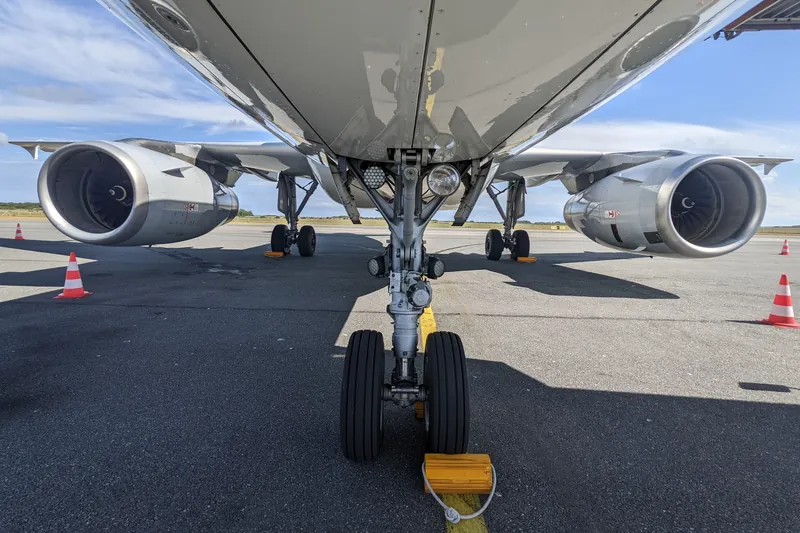
This group had a combined 2025 median of $80,180, according to the BLS aircraft and avionics profile. Aircraft mechanics and service technicians had a median of $79,870, and avionics technicians had a median of $82,280. Typical entry-level education is a postsecondary nondegree award, often a certificate from a Federal Aviation Administration-approved program. Some people enter with an associate's degree; others start with a high school diploma and train on the job or in the military. These workers typically are certified by the FAA. Overall employment is projected to grow 6 percent from 2025 to 2035, with about 13,100 openings a year.
Wind turbine technicians
Wind turbine service technicians had a median wage of $64,120 in May 2025. They typically need a postsecondary nondegree award and then receive on-the-job training. The outlook is unusually fast: BLS projects 30 percent growth from 2025 to 2035. The occupation is still small, with about 11,800 jobs in 2025 and 1,500 openings a year on average. The work is often outdoors, in confined spaces, and at heights of 200 feet or more.
Electricians, plumbers, and related trades
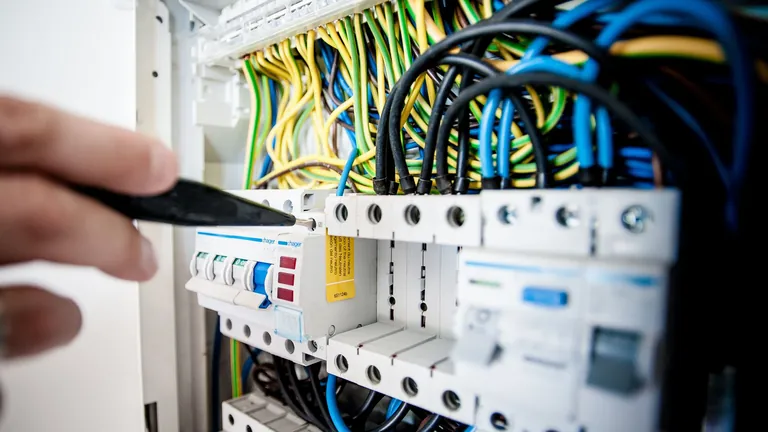
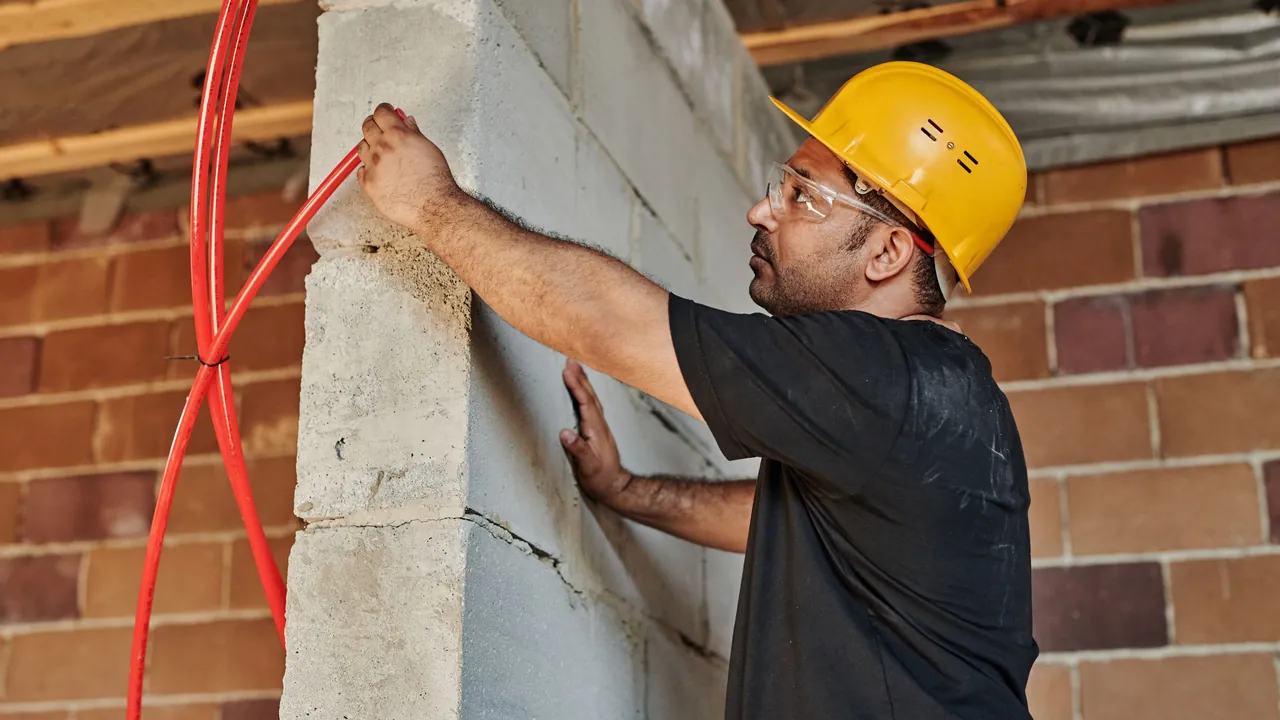
These are larger fields with steady demand and a clear apprenticeship path. Electricians had a median of $63,190 in May 2025, and employment is projected to grow 9 percent from 2025 to 2035, much faster than average, with about 72,700 openings a year. Plumbers, pipefitters, and steamfitters had a median of $63,800, with 7 percent projected growth and about 42,000 openings a year. Both typically require a high school diploma and a four- or five-year apprenticeship, and most states require a license.
How to choose among these paths
Pay should not be the only filter. A useful next step is to compare:
- Time to the first paid role. An apprenticeship pays from the start. An associate's program may mean two or three years in school before you are licensed.
- Physical demands and schedule. Line work, elevator repair, and wind turbine service can involve heights, weather, and travel. Many dental hygienists work part time. Aircraft mechanics may work nights, weekends, and holidays.
- Licensing. If a state license is required, confirm the exact exam and experience rules with the state board or through CareerOneStop, which BLS recommends for licensing information.
- Local demand. National medians can hide large local differences. BLS links to state wage maps and to Projections Central for state outlooks.
- Field size. A fast growth rate in a small occupation, such as wind turbine service, can still mean a modest number of openings. A slightly slower rate in a large occupation, such as electrician work, can mean many more vacancies.
Where to start this month
If you want a hands-on skilled trade, search registered apprenticeships at Apprenticeship.gov and contact your state apprenticeship agency, a local union, or a contractor association. If you are considering an allied health role, look at community college program length, clinical hours, accreditation, and your state's licensing exam. If aviation interests you, review FAA-approved maintenance technician schools and the airframe and powerplant certification path.
Jobs that pay well without a degree still ask for training, practice, and often a license. The advantage is that many of those routes let you earn sooner, skip a four-year campus path, and still land above the national median wage. The BLS handbook is the right place to check the details before you enroll or sign on as an apprentice.
Frequently asked questions
What jobs pay well without a bachelor's degree?
Several occupations that typically require an apprenticeship, a certificate, or an associate's degree pay well above the May 2025 median of $50,980 for all occupations. Examples from BLS Occupational Outlook Handbook profiles include dental hygienists ($98,100 median), diagnostic medical sonographers ($96,590), MRI technologists ($95,480), electrical power-line installers and repairers ($95,320), elevator and escalator installers and repairers ($109,910), and aircraft and avionics equipment mechanics and technicians ($80,180).
Does 'without a degree' mean no training at all?
No. In BLS data, 'typical entry-level education' is the level of education workers usually need to enter the occupation. Many of the better-paying options still require a paid apprenticeship, a postsecondary certificate, an associate's degree, a license, or a combination of those. The phrase usually means you do not need a four-year bachelor's degree, not that you can start with no preparation.
Which no-bachelor's jobs are growing the fastest?
Among the occupations reviewed here, wind turbine technicians have an especially fast outlook: BLS projects 30 percent growth from 2025 to 2035, much faster than the 3 percent average for all occupations. The field is still small, with 11,800 jobs in 2025 and about 1,500 openings a year. Electricians (9 percent), dental hygienists (8 percent), and plumbers, pipefitters, and steamfitters (7 percent) are also projected to grow much faster than average.
How much do electricians and plumbers make?
The median annual wage for electricians was $63,190 in May 2025. The lowest 10 percent earned less than $42,640, and the highest 10 percent earned more than $108,510. Plumbers, pipefitters, and steamfitters had a median of $63,800, with the lowest 10 percent under $44,150 and the highest 10 percent above $108,420. Apprentices typically earn less than journey-level workers, and pay rises as they gain skills.
Where can I find these training programs?
For registered apprenticeships, BLS points people to Apprenticeship.gov and to state apprenticeship agencies, unions, and contractor groups. Health careers such as dental hygiene and radiologic technology are often offered at community colleges and technical schools and usually require state licensure or certification. Aircraft mechanics typically complete an FAA-approved aviation maintenance program or gain equivalent experience, then take FAA exams.
Sources
- bls.gov/ooh/healthcare/dental-hygienists.htm
- bls.gov/ooh/healthcare/radiologic-technologists.htm
- bls.gov/ooh/installation-maintenance-and-repair/aircraft-and-avionics-equipment-mechanics-and-technicians.htm
- bls.gov/ooh/installation-maintenance-and-repair/wind-turbine-technicians.htm
- bls.gov/ooh/construction-and-extraction/plumbers-pipefitters-and-steamfitters.htm
- bls.gov/ooh/construction-and-extraction/electricians.htm