How to Become an Electrician in the United States
If you want a licensed skilled trade with steady demand and paid training, it is worth learning how to become an electrician. In the United States, most people enter this work through a four- or five-year apprenticeship after earning a high school diploma or equivalent. A bachelor's degree is not required. Most states do require a license.
The U.S. Bureau of Labor Statistics Occupational Outlook Handbook profile for electricians is the main source for the steps, pay, and outlook in this guide. Local licensing boards set the exact rules where you live, so treat this as a national overview and confirm details in your state.
What electricians do
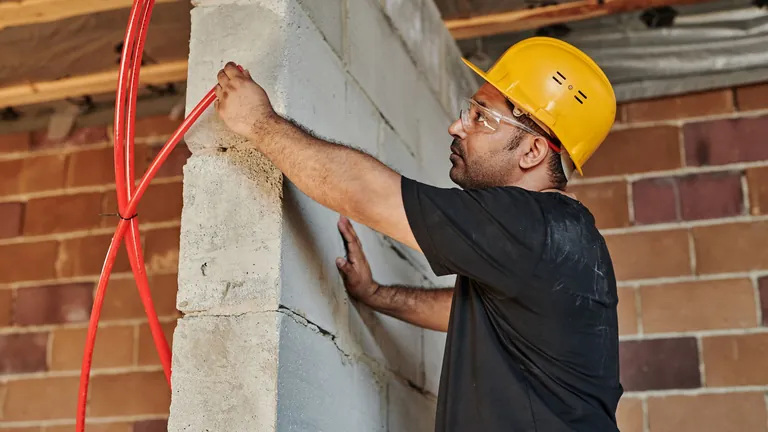
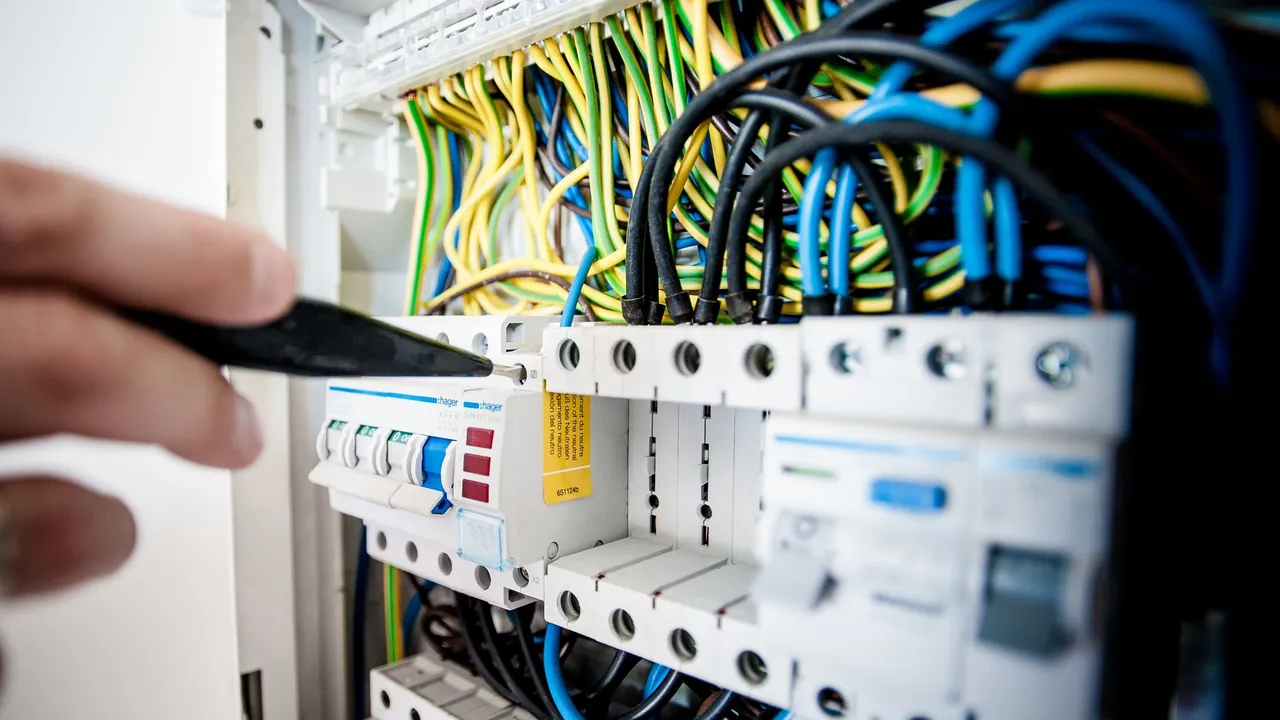
Electricians install, maintain, and repair electrical power, communications, lighting, and control systems in homes, businesses, and factories. Typical duties include reading blueprints or technical diagrams; installing and maintaining wiring, control, and lighting systems; inspecting components such as transformers and circuit breakers; finding problems with testing devices; and repairing or replacing wiring, equipment, or fixtures. They also follow state and local building regulations based on the National Electrical Code.
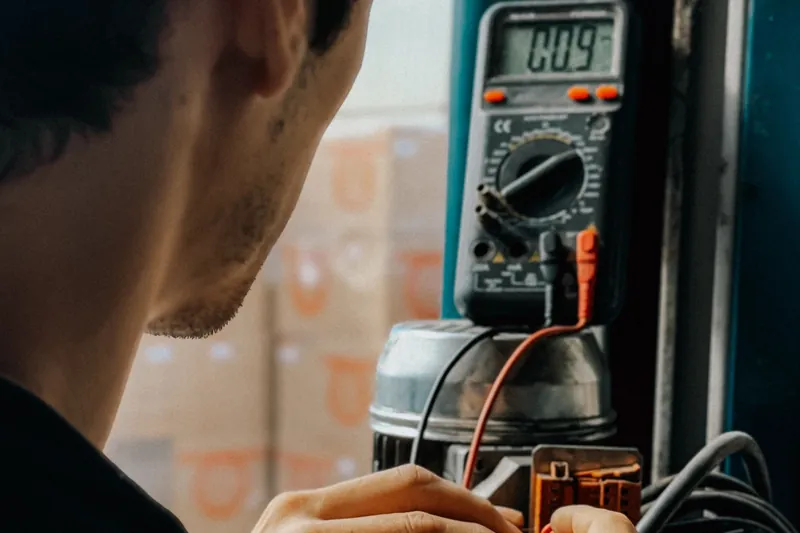
New construction is often more straightforward because wiring is easier to reach. Maintenance work can mean diagnosing problems in finished buildings, sometimes in tight spaces. Electricians use hand tools and power tools, including conduit benders, wire strippers, drills, and saws, and testers such as ammeters, voltmeters, thermal scanners, and cable testers.
Almost all electricians work full time. Schedules may include evenings and weekends, and overtime is common. About 66 percent of electricians worked for electrical contractors and other wiring installation contractors in 2025, according to BLS. Others worked in manufacturing, government, or employment services, and 7 percent were self-employed.
The work has real hazards. BLS notes that accidents can be fatal, and common injuries include electrical shocks, falls, burns, and other minor injuries. Protective clothing and safety glasses are required, and hearing protection may be needed in noisy factories. Color vision matters, because wires are identified by color. The work can also be physically demanding: electricians often move around all day, and they may need to move components weighing up to 50 pounds.
How to become an electrician, step by step
1. Earn a high school diploma or equivalent
BLS says a high school diploma or equivalent is required. Useful high school coursework includes math, physics, and shop or career-technical classes if they are available. You do not need a college degree to enter an apprenticeship.
2. Decide whether to start at a technical school
Some electricians begin by attending a technical school. Many of those programs cover circuitry, safety practices, and basic electrical information. Graduates usually receive credit toward their apprenticeship, which can shorten the remaining on-the-job time. This step is optional. Most electricians still learn the trade through an apprenticeship, whether or not they attended technical school first.
Shop these picks

PureHealth Research Liver Health Formula – Liver health and natural detoxification Supplement, 60 Capsules

Paco Rabanne 1 Million Eau de Toilette 100ml

RediCalm Natural Stress Relief & Calming Supplement – Vegan, Gluten-Free Capsules for Everyday Relaxation

Nitric Oxide Flow Circulation Support Supplement
Some people also start as helpers and then enter an apprenticeship. BLS notes that some electrical contractors run their own training programs. Those programs include technical and on-the-job training, but they are not recognized apprenticeship programs.
3. Enter a four- or five-year apprenticeship
This is the main path. For each year of the program, apprentices typically receive 2,000 hours of paid on-the-job training as well as some technical instruction. Classroom topics typically include electrical theory, blueprint reading, mathematics, electrical code requirements, and safety and first-aid practices. Some programs also include training in soldering, communications, fire alarm systems, and elevators.
Unions and contractor associations sponsor many apprenticeship programs. Requirements vary by state and locality. Workers who gained electrical experience in the military or in the construction industry may qualify for a shortened apprenticeship based on their experience and testing.
Apprentices are paid, but they earn less than fully trained electricians. Pay increases as they learn to do more. After completing the program, they are considered journey workers and may perform duties on their own, subject to local or state licensing requirements.
4. Get licensed in your state
Most states require electricians to pass a test and be licensed. The tests typically include questions on the National Electrical Code and on state and local electrical codes. BLS points people to CareerOneStop for information on state licensing board requirements.
Electricians may also need continuing education to keep a license, usually covering safety practices, code changes, and manufacturer training. A driver's license may be required. Additional certifications, such as in solar photovoltaic, electrical generating, or lighting systems, are optional but can demonstrate extra competency.
5. Consider later advancement
After meeting additional requirements and working as a qualified electrician, journey workers may advance to become master electricians. Electricians may also move into supervisor or project management roles.
Pay and job outlook
The median annual wage for electricians was $63,190 in May 2025, or $30.38 an hour. That compared with $58,150 for construction trades workers and $50,980 for all occupations. The lowest 10 percent earned less than $42,640, and the highest 10 percent earned more than $108,510.
Median pay in May 2025 also varied by industry: $79,820 in government (excluding state and local education and hospitals), $74,550 in manufacturing, $61,570 among electrical contractors, and $57,760 in employment services.
Employment of electricians is projected to grow 9 percent from 2025 to 2035, much faster than the 3 percent average for all occupations. BLS counted about 821,000 electrician jobs in 2025 and projects 75,900 additional jobs by 2035, along with about 72,700 openings a year, many from replacements. Demand is expected to come from installing and replacing power systems, connecting solar and wind generation, and upgrading the power grid, including work tied to rising electricity demand from data centers and related infrastructure.
How to find a program
BLS suggests contacting a state employment service, a state apprenticeship agency, local electrical contractors, firms that employ maintenance electricians, or local union-management electrician apprenticeship committees. The U.S. Department of Labor's apprenticeship program is online at Apprenticeship.gov, and the agency's apprenticeship information line is 877-872-5627.
When you compare programs, ask about the length, the mix of paid hours and classroom time, whether the program is a registered apprenticeship, how licensing exam preparation is handled, and what the starting apprentice wage is in your area. Also confirm whether a technical school credential will be accepted for credit.
If you already know this is the trade you want, the practical next step is local, not theoretical: find a registered program, confirm your state's licensing rules, and apply. That is how to become an electrician in the United States for most people who enter the field today.
Frequently asked questions
How long does it take to become an electrician?
Most electricians complete a four- or five-year apprenticeship. For each year of the program, apprentices typically receive 2,000 hours of paid on-the-job training plus technical instruction, according to the U.S. Bureau of Labor Statistics. After that, they are considered journey workers and may work on their own, subject to state or local licensing. Workers with military or construction electrical experience may qualify for a shortened apprenticeship.
Do you need a college degree to be an electrician?
No. BLS says a high school diploma or equivalent is required. Some people start at a technical school and receive credit toward an apprenticeship. A bachelor's degree is not the typical path. Most states require electricians to pass a test and be licensed, and licensing rules vary by state.
How much do electricians make?
The median annual wage for electricians was $63,190 in May 2025, or $30.38 an hour. That was above the $50,980 median for all occupations. The lowest 10 percent earned less than $42,640, and the highest 10 percent earned more than $108,510. Median pay was higher in government ($79,820) and manufacturing ($74,550) than among electrical contractors ($61,570). Apprentices earn less than fully trained electricians, and their pay increases as they learn more.
Is there demand for electricians?
Yes. BLS projects employment of electricians to grow 9 percent from 2025 to 2035, much faster than the 3 percent average for all occupations. About 72,700 openings are projected each year, on average, over the decade, many of them from replacements as workers transfer or retire. There were about 821,000 electrician jobs in 2025.
Where can I find an electrician apprenticeship?
BLS recommends contacting a state employment service, a state apprenticeship agency, local electrical contractors, firms that employ maintenance electricians, or local union-management apprenticeship committees. You can also search registered apprenticeships at Apprenticeship.gov or call the U.S. Department of Labor apprenticeship line at 877-872-5627. Requirements vary by state and locality.