How to Save Money: A Practical Guide for Everyday Life
If you have been looking up how to save money, you do not need a complicated system to begin. The Consumer Financial Protection Bureau's advice is deliberately plain: set a goal, put money aside on a schedule, and keep that cash somewhere safe and easy to reach when a real emergency shows up. A small, steady habit usually beats a dramatic plan you cannot keep.
This guide follows official U.S. consumer guidance, especially the CFPB's essential guide to building an emergency fund, and explains how deposit insurance works if you keep that money in a bank. It does not use made-up savings rates, and it does not assume every household can set aside the same amount.
Start with a reason, then a number that fits your life
An emergency fund, as the CFPB defines it, is a cash reserve set aside for unplanned expenses or financial emergencies. Common examples are car repairs, home repairs, medical bills, or a loss of income. These are bills that are not part of your routine monthly spending.
The bureau is clear that there is no single correct total. The amount you need depends on your situation. One practical method it suggests is to think about the unexpected expenses you have had before and what they cost, then use that history to set a first goal. If you are living paycheck to paycheck, or your pay changes from week to week, even a small reserve can still help.
Without savings, the CFPB notes, a financial shock can push people toward credit cards, loans, or withdrawals from other savings, including retirement funds. That is why the first job of an emergency fund is protection, not growth.
Practical ways to learn how to save money
The CFPB outlines several strategies. You can use more than one.
Turn saving into a habit
Consistent contributions are, in the bureau's words, one of the fastest ways to see savings grow. The basic loop is simple:
- Set a specific goal, such as a starter emergency fund.
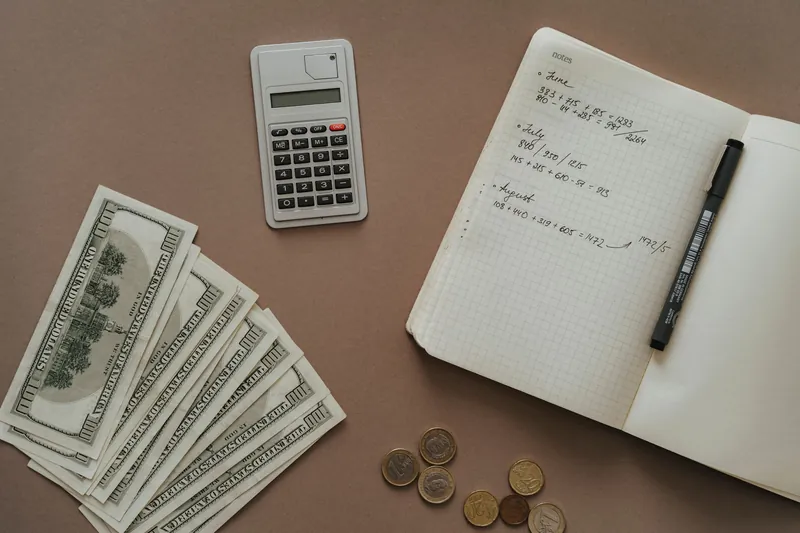
- Choose a regular amount and a regular time, such as each payday.
- Check your progress, whether that is a balance alert or a running total in a notebook.
- Notice when you hit a milestone, then set the next one.
This approach is especially useful if your income is fairly steady. If you know a paycheck is coming, you can decide in advance that part of it is not available to spend.
Watch the timing of money in and money out
Cash flow is the timing of income and bills. If those dates are poorly aligned, you can run short at the end of a pay period even when the month looks fine on paper. The CFPB suggests tracking that timing so you can spot a week when you have more room to transfer money into savings. In some cases, you may be able to ask a creditor, landlord, or utility to move a due date so it lands after payday rather than just before.
This is useful for almost anyone, and it can be the most realistic starting point if you feel you have nothing left at the end of the month.
Shop these picks

PureHealth Research Liver Health Formula – Liver health and natural detoxification Supplement, 60 Capsules

Paco Rabanne 1 Million Eau de Toilette 100ml

OmegaXL Joint Support Supplement, 60 Softgels

Nitric Oxide Flow Circulation Support Supplement
Use one-time money on purpose
A tax refund, a cash gift, or another unusual payment can feel like extra spending money. The CFPB suggests putting all or part of it into savings instead. For many people, a tax refund is one of the largest checks of the year, which makes it a chance to build an emergency fund faster than weekly leftovers would allow. This can be especially helpful if your income is irregular.
Make the transfer automatic
Automatic saving reduces the number of times you have to decide. A common method is a recurring transfer from a checking account to a savings account, in an amount and on a date you choose. Another option, if you are paid by direct deposit, is to ask your employer to split your paycheck between checking and savings.
The CFPB also warns you to watch balances so an automatic transfer does not trigger an overdraft fee. Balance alerts or a calendar reminder can help. If your income changes, you can lower the transfer rather than abandoning the habit.
Where to keep the money
The CFPB says an emergency fund should be safe, accessible, and stored where you are less tempted to spend it on things that are not emergencies. Its options include:
- A bank or credit union account. A dedicated savings account is often the most straightforward choice.
- A prepaid card. You can load money onto a card that is not connected to a bank or credit union and spend only what is on the card.
- Cash. Some people keep cash at home or with a trusted person. The CFPB cautions that cash can be stolen, lost, or destroyed.
If you use a bank, it is worth confirming that the institution is insured. The Federal Deposit Insurance Corporation explains that deposit insurance protects money in deposit accounts at FDIC-insured banks if the bank fails. Coverage is at least $250,000 per depositor, per ownership category, at each FDIC-insured bank. Savings accounts, checking accounts, money market deposit accounts, and certificates of deposit are among the deposits that can be covered. Investments, crypto assets, and the contents of a safe deposit box are not.
All deposits in the same ownership category at the same bank are added together toward that limit. You may have more coverage if money is held in different ownership categories, such as a single account and a joint account, or at different insured banks. The FDIC's BankFind tool can confirm that a bank is insured, and its Electronic Deposit Insurance Estimator can help you check coverage.
Interest rates change, so this article does not quote a current yield. If you compare accounts, look at fees, minimums, and how quickly you can move money when you need it, not only at the advertised rate.
When to use the fund, and how to rebuild it
The CFPB recommends setting guidelines for yourself about what counts as an emergency, then trying to stay consistent. Not every unexpected expense is urgent, but a medical bill that insurance did not cover can still be a good reason to use the reserve. The point of the fund is to avoid turning a one-time problem into longer-term debt.
If you do use the money, the bureau's advice is to treat that as a success and then make a plan to replenish it. A reserve that was used for its purpose has already done its job.
A simple plan you can start this week
You do not have to fix every part of your budget at once. A realistic sequence looks like this:
- Name one goal, such as a starter emergency fund based on a past repair or medical bill.
- Open or designate a savings account at an insured bank or credit union, if you do not already have one.
- Set an automatic transfer for a specific amount on payday, even if the amount is small, and turn on a balance alert.
- If a tax refund or other lump sum arrives, decide in advance what share will go to that account.
- Write down what counts as an emergency in your household so the money has a clear job.
Learning how to save money is less about finding a secret category to cut and more about giving future-you a claim on today's paycheck. Official consumer guidance points in the same direction: start with an amount you can repeat, automate it if you can, and keep the cash somewhere safe until you genuinely need it.
Frequently asked questions
How much should I have in an emergency fund?
The Consumer Financial Protection Bureau says the amount depends on your situation. It suggests thinking about the unexpected expenses you have had in the past and what they cost, then using that as a starting goal. The CFPB also notes that even a small amount can provide some financial security if you are living paycheck to paycheck. There is no single official number that fits every household.
Where should I keep emergency savings?
The CFPB says the money should be safe, accessible, and in a place where you are not tempted to spend it on non-emergencies. Its main options are a bank or credit union account, a prepaid card, or cash held carefully at home or with a trusted person. It also warns that cash can be stolen, lost, or destroyed. Deposits at FDIC-insured banks are insured to at least $250,000 per depositor, per ownership category, at each insured bank.
What is the easiest way to start saving?
The CFPB highlights automatic saving: set up a recurring transfer from checking to savings, or ask your employer to split a direct deposit between those accounts. It also suggests putting all or part of a tax refund or another one-time payment into savings. If income is irregular, managing the timing of bills and paydays can create a window to set money aside.
When should I use my emergency fund?
The CFPB recommends setting your own guidelines for what counts as an emergency or unplanned expense, then trying to stay consistent. Examples it gives include car repairs, home repairs, medical bills, or a loss of income. Using the fund for a real need is a success, not a failure; the next step is to rebuild it. The bureau also notes that relying on credit cards or loans can make a one-time bill larger because of interest and fees.
Is my savings account protected if a bank fails?
If the bank is FDIC-insured, deposit insurance covers checking accounts, savings accounts, money market deposit accounts, and certificates of deposit, among other deposits, up to $250,000 per depositor, per insured bank, for each ownership category. It does not cover investments such as stocks, crypto assets, or the contents of a safe deposit box. You can confirm that a bank is insured with the FDIC's BankFind tool and estimate coverage with its EDIE calculator.